
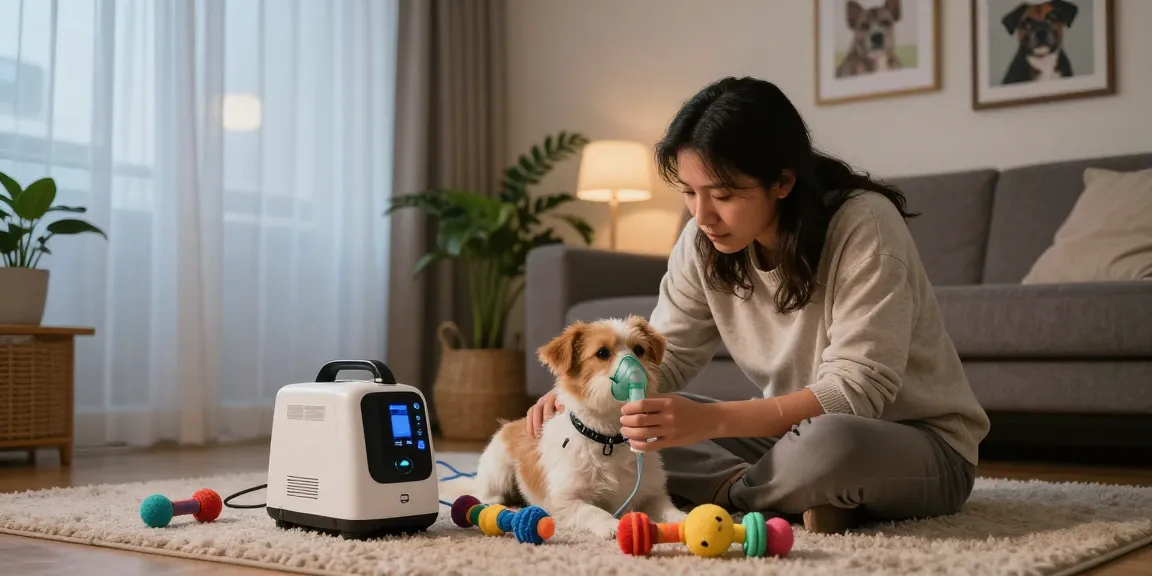
Understanding Oxygen Therapy for Pets
As a devoted pet owner, ensuring the health and well-being of your furry friend is paramount. One way to support your pet’s respiratory health is through oxygen therapy, which can be crucial for pets suffering from various respiratory conditions. Oxygen therapy involves administering additional oxygen to pets, enhancing their breathing capabilities and overall comfort. This guide will delve into the essentials of oxygen therapy for pets, helping you make informed decisions for your beloved companions. When exploring options, Oxygen Pet provides comprehensive insights into available technologies and plans tailored to meet your pet’s needs.
What is Oxygen Therapy?
Oxygen therapy involves the delivery of oxygen at higher-than-normal concentrations to pets suffering from respiratory distress. This treatment aids in alleviating symptoms associated with conditions such as chronic obstructive pulmonary disease (COPD), congestive heart failure, and pneumonia. By increasing the amount of oxygen available in the bloodstream, it can significantly improve your pet’s quality of life during times of distress.
Common Conditions Benefiting from Oxygen Therapy
- Chronic Bronchitis: This inflammatory condition can lead to difficulty breathing and persistent coughing.
- Congestive Heart Failure: Pets with heart issues may struggle to breathe comfortably, requiring supplementary oxygen.
- Asthma: This condition may trigger sudden breathing difficulties, making oxygen therapy a critical intervention.
- Post-Surgical Recovery: Surgery can lead to complications affecting breathing; oxygen therapy can aid recovery.
How Does Oxygen Therapy Work for Pets?
Oxygen therapy works by delivering concentrated oxygen to your pet using specialized equipment like oxygen concentrators. These devices filter and concentrate the oxygen from ambient air, making it readily available for your pet’s needs. The oxygen is then administered through various delivery methods, including nasal cannulas, oxygen masks, or oxygen cages, tailored to the pet’s comfort and circumstances.
Choosing the Right Oxygen Equipment
Selecting the appropriate equipment for oxygen therapy is crucial to ensuring the effectiveness of the treatment. With various options available, it’s essential to understand the differences and which items will best suit your pet’s requirements.
Types of Oxygen Concentrators for Pets
Oxygen concentrators are available in two primary categories: home and portable units. Home units are typically larger, providing consistent oxygen delivery for long-term use, while portable units are designed for travel and outdoor activities. Both types deliver safe and effective oxygen therapy but cater to different needs—families frequently on the go might benefit from owning both.
Understanding Portable vs. Home Units
Portable oxygen concentrators are light and easy to transport, ideal for trips and outings. They can run on battery or AC power, giving flexibility. In contrast, home oxygen concentrators are stationary and designed for prolonged use in a fixed location. When choosing between the two, consider your pet’s typical activities and health status.
Essential Accessories for Effective Oxygen Delivery
Proper accessories are critical for the successful administration of oxygen therapy. Options like oxygen cages provide a safe space for your pet whilst receiving treatment. Accessories such as masks, tubing, and humidifiers ensure the comfortable delivery of oxygen and enhance the overall effectiveness of therapy. It’s advisable to consult with a veterinarian to tailor an accessory kit specific to your pet’s needs.
Rental vs. Purchase: What You Need to Know
When deciding on how to procure oxygen therapy equipment, pet owners often weigh the pros and cons of renting versus purchasing. Understanding these options can help you make a more informed decision suitable for your situation.
Pros and Cons of Renting Oxygen Equipment
Renting oxygen equipment provides flexibility and is often a cost-effective solution for temporary needs. It usually requires minimal upfront costs and ensures access to the latest technology without long-term commitment. However, renting can also lead to ongoing expenses that may accumulate over time. Assess your pet’s needs to determine if a rental agreement aligns with your treatment goals.
Cost Comparison: Rental Plans vs. Buying
Cost comparison between renting and purchasing an oxygen concentrator can vary significantly. Renting might seem less expensive initially, with monthly payments that can range widely based on the equipment used. However, if your pet requires long-term therapy, investing in a unit may be more beneficial financially in the long run. Always ensure to analyze your options based on your pet’s expected duration of therapy and your budget constraints.
Flexible Rental Options: Finding What Works for You
Many providers offer flexible rental plans, allowing you to upgrade or downgrade as necessary. You can start with a trial period to assess your pet’s needs before committing to long-term plans. This flexibility in rental arrangements can significantly reduce stress and uncertainty in caring for your pet during their recovery.
Setting Up a Comfortable Oxygen Therapy Environment
Creating a suitable environment for oxygen therapy at home is vital to enhancing your pet’s comfort and efficacy of the treatment. A few key considerations can make all the difference in your pet’s experience.
Creating a Safe Space for Your Pet
Designate a quiet and comfortable area in your home for the oxygen equipment. Ensure that this space is away from disturbances, with adequate ventilation. Avoid placing the equipment near flammable materials, enhancing safety throughout the treatment process. Make your pet feel secure by providing their favorite bed or toys in this space.
Monitoring Your Pet’s Comfort During Treatment
Regularly check in on your pet during oxygen therapy to ensure they are comfortable and stress-free. Watch for signs of distress or discomfort, such as pacing, whining, or refusing to eat. Adjustments may be necessary, whether related to the therapy equipment or environmental conditions.
Common Mistakes in Home Setup to Avoid
- Ignoring Pet Anxiety: Ensure that your pet’s comfort is prioritized; anxiety can hinder their therapy experience.
- Improper Equipment Placement: Avoid placing the oxygen concentrator in an area with poor airflow or near obstructions.
- Neglecting Regular Maintenance: Always follow manufacturer guidelines for equipment maintenance to avoid malfunctions.
Emergency Preparedness and Resources
Understanding how to respond in an emergency can be vital for your pet’s health. Recognizing signs of respiratory distress and knowing when to seek assistance will prepare you for unexpected situations.
Recognizing Signs of Respiratory Distress
Common indicators of respiratory distress include rapid breathing, labored breathing, excessive coughing, and lethargy. If you notice any of these symptoms, it’s essential to consult with your veterinarian immediately.
When to Seek Veterinary Assistance
It’s advisable to seek veterinary assistance if your pet exhibits signs of severe respiratory distress or if their condition does not improve with at-home oxygen therapy. A veterinarian can offer comprehensive evaluations and adjust treatment as necessary.
Staying Informed: Resources and Support Networks
Joining pet health forums or support groups can provide valuable advice and shared experiences regarding oxygen therapy. Engaging with other pet owners can help reinforce your knowledge and offer supportive community interactions.
What is the best oxygen therapy for pets?
There is no one-size-fits-all solution; the best oxygen therapy will depend on your pet’s specific condition and needs. Discussing options with a veterinary professional can help tailor an effective plan.
Can I use human oxygen equipment for my pet?
While some human oxygen equipment may be suitable, it is highly recommended to use pet-specific devices. These devices are designed to accommodate pets’ unique anatomical and behavioral needs.
How often should a pet use oxygen therapy?
The frequency of oxygen therapy can vary widely based on the underlying condition being treated. Some pets may require continuous therapy, while others might need it only during specific times. Always adhere to your veterinarian’s guidance regarding therapy times.
Are there any side effects of oxygen therapy for pets?
Though generally considered safe, side effects can include nasal irritation or dryness. Utilizing accessories, such as humidifiers, can mitigate these effects. Monitoring your pet during treatment will help identify any adverse reactions early.
What payment methods are available for oxygen rentals?
Flexibility is critical concerning payment methods for oxygen rentals. Providers often accept cash, credit cards, bank transfers, and various online payment platforms, catering to your convenience.
