Understanding the Aerospace CNC Machining Industry
The aerospace industry is recognized for its rigorous standards and precision manufacturing techniques. As global air travel continues to recover and expand, the demand for high-quality aerospace components is surging. Central to this manufacturing process is Computer Numerical Control (CNC) machining, which automates the production of complex parts to achieve unparalleled accuracy and repeatability. For those exploring options, leading aerospace cnc parts manufacturers play a pivotal role in meeting these demands through innovative practices and advanced technologies.
What Are Aerospace CNC Parts?
Aerospace CNC parts are precision-engineered components used in various aerospace applications, from commercial and military aircraft to spacecraft. These parts can include structural components, engine parts, control systems, and interior fittings, all of which necessitate extremely tight tolerances and specific material properties. Common materials used in aerospace CNC machining include aluminum alloys, titanium, and specialty composites designed to withstand the stresses of flight.
The Role of CNC Machining in Aerospace Manufacturing
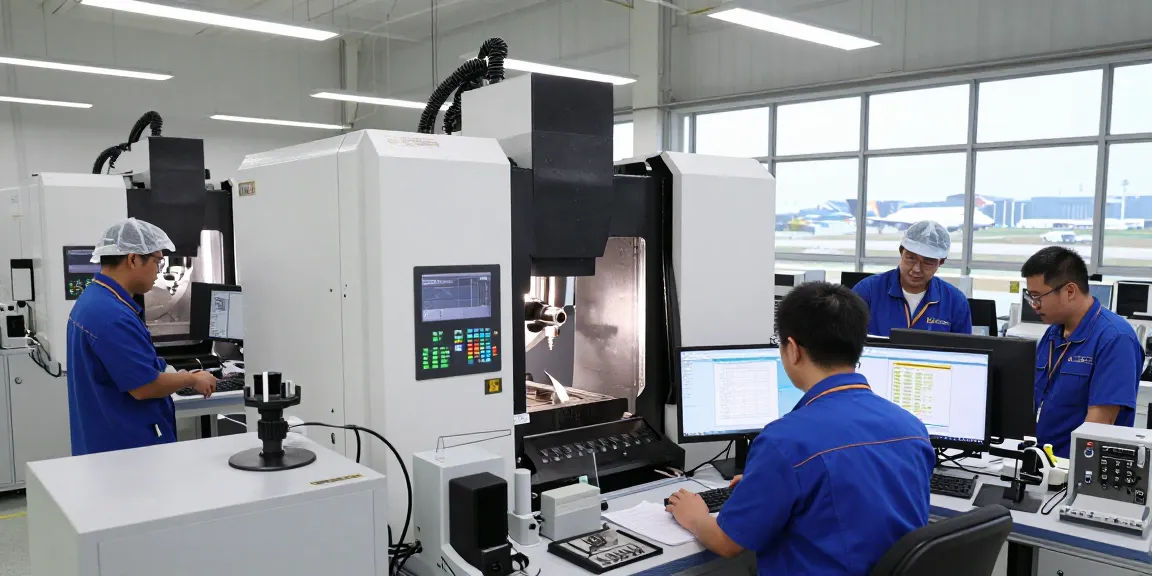
CNC machining streamlines the manufacturing process, allowing for the rapid production of intricate designs that would be impossible or cost-prohibitive with traditional manufacturing methods. By automating the cutting, drilling, and milling processes, aerospace manufacturers can produce parts with fewer defects, shorter lead times, and less waste. The integration of CNC machines equipped with advanced software enables manufacturers to simulate the machining process before actual production, further enhancing precision and efficiency.
Key Standards in Aerospace Manufacturing
Compliance with industry standards is critical in aerospace manufacturing to ensure safety, reliability, and quality. Key certifications in this sector include AS9100, which outlines specific quality management systems for aviation, space, and defense organizations. Furthermore, adherence to ITAR (International Traffic in Arms Regulations) is vital for manufacturers dealing with defense-related products. These standards enforce rigorous guidelines that all leading aerospace CNC parts manufacturers must follow to maintain credibility and competitiveness.
Top Leading Aerospace CNC Parts Manufacturers
The landscape of aerospace CNC machining is dominated by a handful of major players recognized for their superior quality and innovation. Companies such as Boeing, Lockheed Martin, and Spirit AeroSystems are at the forefront, driving advancements in manufacturing technologies and processes. These organizations are committed to producing high-precision components that meet or exceed industry standards.
Profile of Major Industry Leaders
1. Boeing: A global leader in aerospace manufacturing, Boeing not only designs and builds commercial jets but also revolutionizes CNC machining practices. The company's extensive R&D investments ensure they stay ahead of industry trends.
2. Lockheed Martin: Specializing in advanced technologies, Lockheed Martin excels in producing components for both military and civilian aircraft, prioritizing safety and efficiency in its manufacturing processes.
3. Spirit AeroSystems: Known for its innovative designs and manufacturing techniques, Spirit AeroSystems holds a significant market share in the production of airframes and fuselages.
Innovations by Leading Manufacturers
The leading aerospace CNC parts manufacturers are continuously innovating to enhance their competitive edge. For example, many are adopting additive manufacturing techniques, which complement traditional CNC machining to produce highly complex geometries that save weight and reduce material waste. Additionally, advancements in machine learning and AI are being integrated into CNC processes, allowing for predictive maintenance and real-time process optimization.
Market Share and Competitive Landscape
The aerospace CNC machining market is characterized by fierce competition, with several key players vying for dominance. Market reports suggest that firms like Kachi Precision Manufacturing and Owens Industries are also emerging as significant competitors, harnessing technology to improve production capacity and quality. The competitive landscape is likely to evolve further as new entrants bring innovative solutions to traditional manufacturing challenges.
Challenges Faced by Aerospace CNC Parts Manufacturers
Despite the advancements in the aerospace CNC machining sector, manufacturers face several challenges that could impact their operations and bottom lines.
Compliance with Industry Regulations
Navigating the myriad of compliance requirements in the aerospace industry can be daunting. Manufacturers must ensure that their processes are not only compliant but are also continuously updated with the latest regulations to avoid potential penalties and shutdowns. This necessitates ongoing training and investment in quality assurance practices.
Technological Advancements and Adaptation
The rapid pace of technological change poses both opportunities and challenges for manufacturers. While new technologies can lead to enhanced efficiency and capabilities, the need for constant investment in upgrading machinery and training staff can strain financial resources. Companies must carefully evaluate which technologies align with their strategic objectives and budgets.
Supply Chain and Material Sourcing Issues
The aerospace industry often faces disruptions in the supply chain, particularly regarding the sourcing of high-quality materials needed for CNC machining. Manufacturers must establish reliable relationships with suppliers and often maintain significant inventories to mitigate the impact of supply chain volatility.
Best Practices for Selecting Aerospace CNC Parts Manufacturers
Selecting the right aerospace CNC parts manufacturer is pivotal for any organization looking to ensure reliability and quality in its products. Here are some best practices to consider:
Evaluating Quality and Certifications
When choosing a manufacturer, it is essential to evaluate their quality assurance processes and certifications. Look for certifications such as AS9100, which demonstrate a commitment to quality and safety in aerospace manufacturing. Additionally, review customer testimonials and case studies to gauge the manufacturer’s performance in real-world applications.
Understanding Turnaround Times and Pricing
Cost-effectiveness is crucial, but it should not come at the expense of quality. Request detailed quotes and timelines from potential manufacturers. Understanding their production capabilities and lead times can help you choose an option that aligns with your project timelines.
Building Long-term Partnerships with Manufacturers
Establishing a long-term partnership with a manufacturer can yield significant benefits, such as better communication, customized solutions, and preferential pricing. Invest time in nurturing these relationships to foster collaboration and trust.
Future Trends in Aerospace CNC Machining for 2026 and Beyond
The future of aerospace CNC machining is bright, with several trends signaling notable shifts in the industry landscape.
Emerging Technologies Shaping the Industry
As the aerospace sector continues to embrace technology, we see a growing trend toward automation and smart manufacturing. Robotics integrated with CNC machining systems will lead to higher efficiency and precision, while IoT (Internet of Things) devices will allow for enhanced monitoring and data collection throughout the manufacturing process.
Sustainability Practices in Aerospace Manufacturing
With an increasing emphasis on sustainability, aerospace manufacturers are exploring eco-friendly materials and low-waste production methods. The adoption of recycled materials and energy-efficient machines not only helps fulfill regulatory requirements but also appeals to environmentally conscious consumers.
Predictions for Market Growth and Innovation
Market analysts predict steady growth for the aerospace CNC machining industry over the next several years, driven by rising air traffic and advancements in aerospace technologies. As manufacturers innovate to meet these demands, we can expect to see increased investments in research and development, resulting in significant advancements in both products and processes.
What are the leading aerospace CNC parts manufacturers in 2026?
In 2026, leading aerospace CNC parts manufacturers are projected to include major players like Boeing, Lockheed Martin, and newer entities that leverage advanced technologies to enhance their manufacturing capabilities.
How do manufacturers ensure quality in CNC machining?
Manufacturers ensure quality in CNC machining through rigorous quality assurance processes, adherence to industry certifications, and the implementation of advanced monitoring technologies throughout the production cycle.
What challenges do aerospace manufacturers face today?
Today, aerospace manufacturers face challenges including regulatory compliance, supply chain disruptions, and the need to adapt to rapidly evolving technologies in a highly competitive market.
What are the benefits of CNC machining in aerospace?
The benefits of CNC machining in aerospace include enhanced precision, efficiency, reduced waste, and the ability to produce complex parts that meet strict safety and performance standards.
How is the aerospace industry adapting to new technologies?
The aerospace industry is adapting to new technologies by investing in automation, embracing digital manufacturing, and continually updating their processes and workflows to improve efficiency and product quality.