
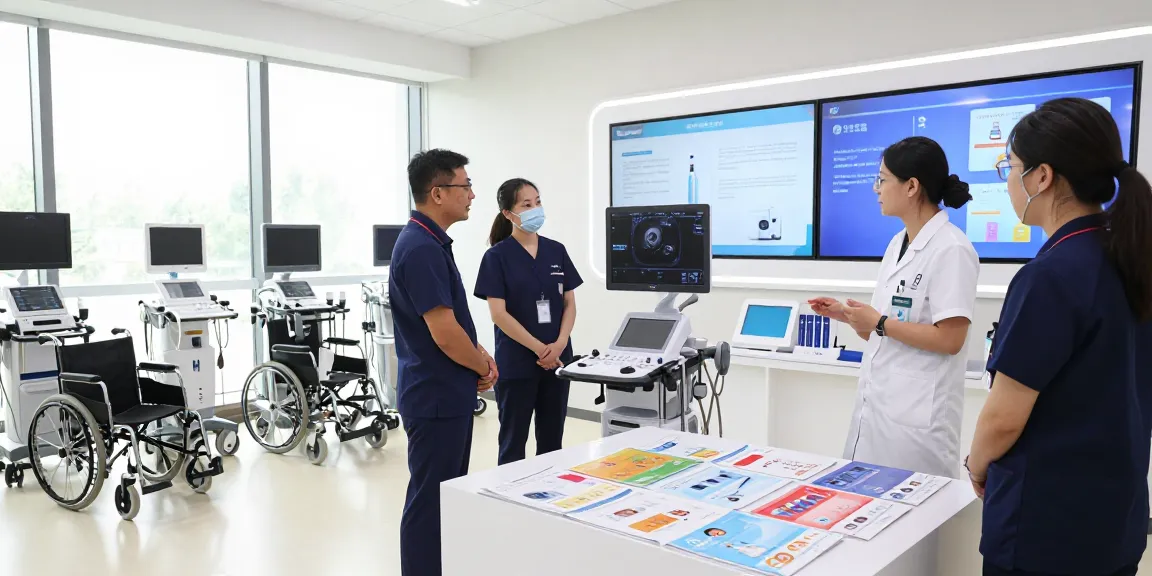
Understanding the Role of Medical Equipment Suppliers
In the complex and ever-evolving landscape of healthcare, medical equipment suppliers play a crucial role in ensuring that healthcare facilities have access to the necessary tools and technologies required for effective patient care. These suppliers are the backbone of the medical industry, providing healthcare providers with essential equipment, from diagnostic machines to surgical instruments. Their significance cannot be overstated, especially in light of the recent challenges faced globally in terms of supply chain logistics and costs.
What Are Medical Equipment Suppliers?
Medical equipment suppliers are businesses or entities that distribute medical devices, tools, and products used in various healthcare settings. This category encompasses a broad range of providers, from large multinational corporations that manufacture complex imaging devices to local companies supplying basic medical necessities like bandages and examination tables. Suppliers can be OEM (Original Equipment Manufacturers), distributors, or a combination of both, often specializing in particular regions or types of equipment.
The Importance of Reliable Equipment in Healthcare
Reliable medical equipment is pivotal in delivering quality healthcare services. The efficiency and accuracy of diagnostics and treatment rely heavily on the tools used by healthcare providers. For instance, malfunctioning equipment can lead to misdiagnosis or delayed treatment, which can have dire consequences for patient health. Furthermore, the rise of telemedicine and remote patient monitoring has heightened the need for high-quality medical devices that can deliver accurate data in real-time.
Key Types of Medical Equipment Suppliers
Several types of suppliers exist within the medical equipment space, and each serves a unique purpose:
- Manufacturers: These are companies that create medical devices. Examples include firms that produce MRI machines, surgical instruments, and consumables like syringes.
- Distributors: Businesses that purchase equipment from manufacturers to sell them to healthcare facilities. They often provide inventory management and logistics support.
- Direct Sellers: Some manufacturers sell directly to hospitals and clinics, eliminating the middleman but typically requiring larger purchase quantities.
- Specialty Suppliers: These suppliers focus on niche markets such as geriatric care, rehabilitation, or specific disease management, providing tailored equipment and solutions.
Challenges in the Medical Equipment Supply Chain
The medical equipment supply chain is fraught with challenges that can hinder the availability of critical devices. Understanding these difficulties is necessary for healthcare providers to navigate the landscape effectively.
Common Obstacles Faced by Healthcare Providers
Healthcare providers often encounter various obstacles in procuring medical equipment. These challenges can include:
- Supply Chain Disruptions: Global events, such as pandemics or geopolitical tensions, can severely disrupt supply chains, leading to equipment shortages.
- Regulatory Compliance: Ensuring that all medical devices meet strict regulatory standards can delay procurement processes.
- Cost Variability: Fluctuating prices for raw materials and components can lead to unexpected increases in equipment costs, complicating budgeting.
- Technological Advancements: Rapid advancements in medical technology can render existing equipment obsolete, necessitating continual investment.
The Impact of Supply Chain Disruptions on Patient Care
Disruptions in the supply chain can have profound effects on patient care. For instance, if a hospital lacks essential ventilators during a surge in respiratory illnesses, patient outcomes can deteriorate rapidly. Moreover, the inability to access timely repairs or replacements can result in prolonged equipment downtime, directly affecting treatment timelines and patient safety.
Addressing Misconceptions About Supplier Relationships
There is often a misconception that all suppliers offer the same level of service and quality. In reality, establishing a solid relationship with a reliable supplier is crucial. Hospitals and clinics need to engage in partnerships that prioritize transparency, responsiveness, and shared goals. Recognizing that suppliers are not merely vendors but partners in patient care can lead to improved service terms and better monitoring of equipment performance.
Best Practices for Selecting Medical Equipment Suppliers
Choosing the right medical equipment supplier requires a strategic approach to ensure that healthcare providers can meet their operational and patient care objectives effectively.
Evaluating Supplier Credentials and Certifications
One of the first steps in selecting a supplier is to evaluate their credentials. Verifying certifications and compliance with industry standards, such as ISO and FDA certifications, is essential. Suppliers with these credentials demonstrate a commitment to quality and safety, which is non-negotiable in the healthcare sector.
Assessing Product Quality and Availability
Healthcare providers should conduct thorough assessments of the products offered by suppliers. This includes evaluating the quality of medical devices, checking for third-party testing verification, and ensuring that products are readily available. Establishing clear communication about inventory levels can prevent shortages and ensure that essential equipment is always on hand.
Building Strong Partnerships with Suppliers
Building a strong, collaborative relationship with suppliers can yield long-term benefits. Regular communication and feedback mechanisms can enhance trust and responsiveness. When suppliers feel valued and invested in the success of healthcare providers, they are more likely to prioritize their needs, providing better service and innovative solutions.
Innovative Technologies Shaping Medical Equipment Supply
As the medical field continues to progress, innovative technologies are reshaping how equipment is supplied and utilized. Adapting to these technological advancements is crucial for healthcare providers aiming to enhance patient care and operational efficiency.
Telemedicine and Remote Patient Monitoring Tools
The rise of telemedicine has transformed patient care, enabling healthcare providers to monitor patients remotely using advanced medical equipment. This shift has necessitated the development of high-tech devices that facilitate effective remote monitoring, such as wearable health sensors and mobile health applications. Furthermore, these technologies reduce the strain on healthcare facilities by allowing patients to receive care from the comfort of their homes.
AI and Machine Learning in Medical Device Development
Artificial intelligence (AI) and machine learning are increasingly being integrated into medical device development. These technologies enable predictive analyses, improving diagnostic accuracy and streamlining supply chain operations. For example, AI can forecast equipment demand trends, enabling suppliers to optimize inventory and reduce costs. As such innovations become commonplace, they will significantly enhance the efficiency of medical equipment procurement.
Future Trends for 2026: What to Expect
Looking ahead to 2026, several trends are poised to shape the future landscape of medical equipment supply:
- Increased Automation: Automation in manufacturing and supply chain management will likely lead to faster production and delivery times, helping to mitigate supply chain disruptions.
- Data-Driven Decision Making: The incorporation of big data analytics will allow suppliers to better predict market demands and understand customer needs in real-time.
- Eco-Friendly Practices: As sustainability becomes a priority, suppliers will increasingly focus on environmentally friendly manufacturing processes and biodegradable materials in equipment production.
- Enhanced Security Measures: With cyber threats on the rise, suppliers will prioritize cybersecurity across devices, ensuring that sensitive patient data remains protected.
Measuring Success with Medical Equipment Suppliers
For healthcare providers, measuring the efficacy of their relationships with medical equipment suppliers is crucial for ensuring quality patient care and operational effectiveness.
Key Performance Indicators for Supplier Relationships
Establishing key performance indicators (KPIs) is essential in evaluating supplier performance. Key metrics might include:
- Delivery timelines and adherence to schedules
- Quality of products received and incident reports
- Availability of inventory and stock levels
- Supplier responsiveness to inquiries and order changes
Feedback Mechanisms and Continuous Improvement
Feedback loops between healthcare providers and suppliers foster continuous improvement. Mechanisms such as regular evaluation meetings and surveys can help suppliers identify areas for enhancement, ultimately leading to better service and higher quality products. This collaborative approach can also facilitate innovation and responsiveness to changing healthcare needs.
Case Studies: Successful Collaborations and Their Outcomes
Analyzing successful collaborations between healthcare providers and suppliers can provide valuable insights into best practices. For example, a hospital that partnered with a supplier capable of rapidly scaling inventory management during a pandemic witnessed a significant reduction in equipment shortages, ultimately enhancing patient care outcomes. Such case studies can serve as models for other facilities aiming to optimize their supplier relationships.
What types of medical equipment suppliers are available?
Numerous types of medical equipment suppliers cater to various healthcare needs, including manufacturers, distributors, specialty suppliers, and direct sellers. Understanding these classifications helps healthcare providers determine which supplier best fits their requirements.
How do I choose the best medical equipment supplier?
Choosing the best medical equipment supplier involves evaluating credentials, product quality, and building strong relationships. It’s essential to conduct thorough research and engage in open communication to ensure a good fit for long-term collaboration.
What are the latest trends in medical equipment supply?
Current trends include the increasing use of telemedicine, advancements in AI and machine learning, the need for automation, and a growing emphasis on sustainability and cybersecurity within the industry.
How can technology improve medical equipment procurement?
Technology streamlines procurement by enabling data analytics for demand forecasting, automating inventory management, and facilitating the remote monitoring of devices. Embracing these innovations can lead to cost reductions and improved patient care.
What challenges do medical equipment suppliers face today?
Today’s medical equipment suppliers face challenges such as supply chain disruptions, regulatory compliance hurdles, and the necessity to keep pace with rapid technological advancements, all of which require strategic planning and robust partnerships.


